Copart Recreational Vehicles (RVs)
More Than Just Cars: Hundreds of RVs in Our Online Auto Auctions
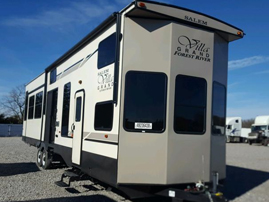
Copart offers a wide array of clean and salvage title recreational vehicles including campers, trailers, motorhomes and more for your family road trips and restoration projects. From camping excursions to three-day music festivals—find your next big adventure in one of our daily online auto auctions.
What is an RV?
Recreational vehicles, most commonly know as RVs, are larger, more spacious vehicles that accommodate many passengers at a time for convenient and comfortable travel experiences. A recreational vehicle can be classified as anything from a motorhome to a trailer so it’s important to know the different classes of RVs (and which licenses they require) before placing a bid in one of our online auctions:
Class A
Class A motorhomes are typically for the travelers who like to drive in style; these vehicles usually look like buses on the exterior and can easily connect to power and water lines and sewage drains. Because there is an abundance of interior and storage space in these vehicles, with enough room to walk around while in motion, a standard Class A motorhome is the perfect choice for groups of up to seven people.
Class B
Class B recreational vehicles are recommended for smaller groups as they are roughly the size of a standard van; however, it’s still possible to transform them into larger, more accommodating vehicles if needed. While many don’t have the luxurious interiors of a Class A RV, they are still considered comfortable and affordable.
Class C
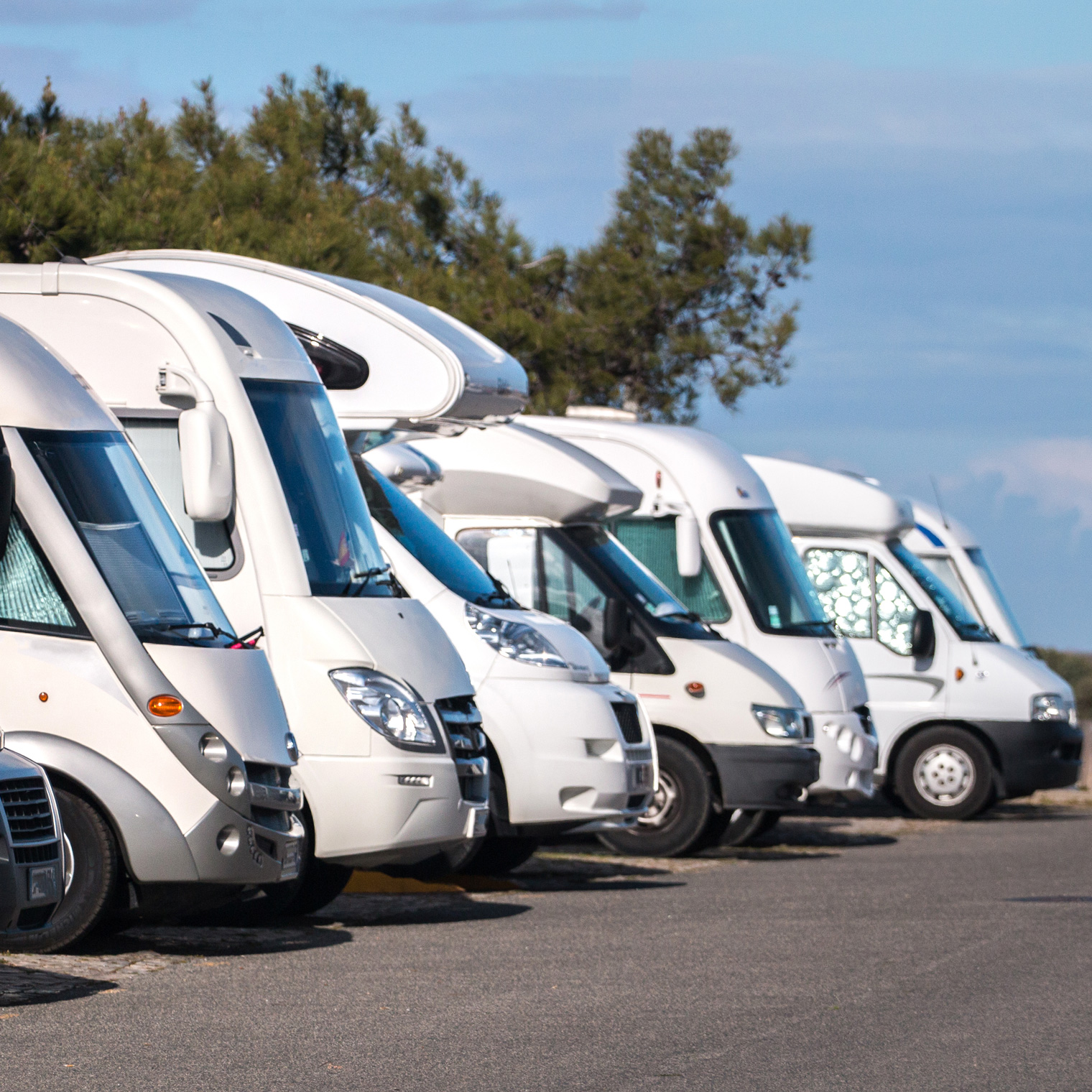
Class C RVs are most recognized for their protective roofs suspended over the windshield. With some models reaching up to 30-feet, these vehicles resemble more of a truck than a bus or van. A traditional Class C recreational vehicle has all the amenities and features of a house and can typically fit up to eight people at a time.
Register as a Basic or Premier Member here to begin bidding on Copart RV inventory and visit our Help with Licensing page to ensure you have the correct licensing before placing a bid.

Perks of Owning an RV
With an RV purchase, you can bring more than just a suitcase with you when you travel. Here are some reasons why owning a recreational vehicle is in your best interest:
Live Virtually Anywhere
Traveling in an RV allows you to call any place in the world “home.” Because many RV makes and models include living, bath and bedrooms, you’ll feel at home in any nature setting. Some RVs can also easily connect to water, power and cable lines to provide comfortable apartment-style living.
Save Money
Because some states do not require you to pay property tax on your recreational vehicle, you can save a lot of money each year to contribute to your other traveling expenses. Check in with your local DMV to see which states don’t require you to pay property taxes.
In addition, traveling in an RV can be very budget-friendly when comparing to total hotel costs.
Stay Busy
Go off grid in an RV and take the time to unplug from WIFI and regroup. Traveling in an RV gives you the opportunity to stay busy in other ways by taking in the scenery, exploring new locations and learning new things about your travel group in person.
Spend More Time with Family & Friends
Purchasing an RV is a great way to make more time for your friends and family. RVs can be used for weekend getaways, cross-country road trips, camping expeditions and all types of other new bonding adventures.
How to Stay Green in an RV
Contrary to popular belief, there are ways to remain environmentally conscious when owning an RV:
- Cut down the amount of trash you collect by using more glassware than plasticware. If your group insists on plastic water bottles over tumblers and canteens, be sure you’re consistently refilling/reusing them.
- Build campfires only when necessary for keeping warm/cooking purposes in order to minimize air pollution.
- Use biodiesel fuel when filling up to reduce your carbon footprint. Because these fuels are produced from vegetable oils and animal fats, they generate less carbon dioxide emissions than petroleum gas.
- Go solar instead of relying on electricity for a more cost-effective, cleaner way to travel. According to Energy Sage*, one solar panel system can eliminate three to four tons of carbon emissions in one year—that’s the equivalent to 100+ trees annually!